
Knowing when it is time for dementia care can be one of the most difficult questions a family faces.
For many families, deciding whether a loved one would benefit from residential dementia care is an emotional and deeply personal decision. There is rarely a single moment when the answer becomes obvious. More often, it is a gradual realisation that the support someone needs is becoming increasingly difficult to provide safely at home.
Every family’s circumstances are different, and many people with dementia continue to live well at home for many years with support from relatives, friends and community services. However, as dementia progresses, there may come a point where additional support can improve safety, wellbeing and quality of life—not only for the individual, but also for those who care for them.
This guide explains some of the signs that families often notice, offers practical advice on choosing a dementia care home, and explores how respite care and residential support can help when the time is right.
Understanding Dementia

Dementia is an umbrella term used to describe a range of conditions that affect the brain, including Alzheimer’s disease, vascular dementia and Lewy body dementia. While symptoms vary from person to person, dementia commonly affects memory, communication, judgement and the ability to carry out everyday tasks.
Dementia is a progressive condition, meaning that the support someone needs often changes over time. Many people continue to live well at home for years with help from family, friends and community services. However, as needs become more complex, there may come a point where additional support can improve both quality of life and safety.
If you would like to learn more about dementia, including symptoms, diagnosis and treatment, the NHS dementia guide provides clear, independent information for individuals and families.
Signs That It May Be Time for Dementia Care
Everyday Tasks Are Becoming More Difficult
As dementia progresses, everyday activities such as preparing meals, taking medication, washing, dressing or managing household tasks can become increasingly challenging.
While occasional forgetfulness is common, a pattern of increasing difficulties may suggest that additional support would help someone remain safe, comfortable and well cared for.
Safety Is Becoming a Concern
One of the main reasons families begin exploring residential care is concern for their loved one’s safety.
Examples might include:
- Frequent falls or reduced mobility
- Forgetting to eat or drink
- Leaving appliances switched on
- Becoming confused or lost
- Taking medication incorrectly
- Increased anxiety or distress when left alone
Residential dementia care provides reassurance that support is available around the clock whenever it is needed.
Caring Is Becoming Increasingly Demanding
Many family carers provide incredible support over many years. However, dementia is a progressive condition and caring responsibilities often become more demanding with time.
It is common for carers to experience exhaustion, stress and worry, particularly if they are balancing work, family commitments or their own health needs.
Seeking additional support is not a sign of failure. In fact, recognising when more help is needed is often one of the most caring decisions a family can make.
Isolation Is Affecting Quality of Life
People living with dementia can gradually become less confident about leaving home or taking part in activities they once enjoyed.
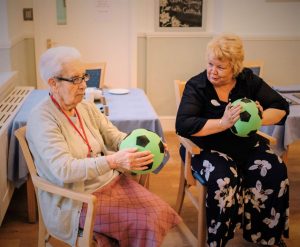
A good residential care home offers far more than practical support. Daily activities, companionship, shared meals and opportunities to spend time outdoors all help residents remain socially engaged and maintain a sense of purpose.
At Watermoor House, we encourage residents to continue enjoying hobbies, music, gardening, gentle exercise and meaningful activities that reflect their interests and abilities.
Families Want More Quality Time Together
Many relatives tell us that one of the greatest benefits of moving into residential care is that visits become about spending time together again.
Instead of worrying about medication, meals, housework or personal care, families are free to enjoy a conversation, share lunch, take a walk in the garden or simply relax together.
For many people, this allows relationships to return to what they have always been—a daughter being a daughter, a husband being a husband, or a son simply enjoying time with his mum.
Choosing the Right Dementia Care Home

Every care home is different, so it is important to visit and ask questions before making a decision.
When visiting a home, you may wish to consider:
- Do residents appear relaxed, happy and well cared for?
- Are staff friendly, knowledgeable and respectful?
- Is the atmosphere warm, calm and welcoming?
- Are activities available throughout the week?
- Are bedrooms comfortable and personalised?
- Are families encouraged to remain involved?
- Does the home feel like somewhere your loved one could genuinely call home?
Trust your instincts. The right home should feel welcoming from the moment you walk through the door.
Not Ready to Make a Permanent Decision?
Choosing residential dementia care doesn’t always have to be an immediate or permanent step.
For some families, a short respite stay can provide an opportunity to experience life in a care home, meet our team and see how a loved one settles into a new environment. It can also offer family carers a well-earned break while providing reassurance that their loved one is receiving safe, personalised care.
Many families find that respite care gives them the time and confidence to make longer-term decisions without feeling rushed.
If you would like to find out more about respite care at Watermoor House, we’d be happy to discuss the options available.
Dementia Care at Watermoor House
At Watermoor House in Cirencester, we provide personalised residential dementia care in a safe, welcoming and homely environment.
Our experienced team takes time to understand each resident as an individual, learning about their life, interests, routines and preferences so that care can be tailored around the person rather than simply the condition.
Alongside 24-hour support, residents enjoy home-cooked meals, comfortable en-suite accommodation, beautiful gardens and a varied programme of activities designed to promote wellbeing, independence and enjoyment.
Most importantly, we believe that everyone deserves to be treated with dignity, kindness and respect.
We’d Be Delighted to Help
If you are beginning to consider dementia care for yourself or someone close to you, we understand that you are likely to have many questions.
Whether you’re ready to make a decision or simply looking for advice, our team would be pleased to show you around Watermoor House, answer your questions and help you explore the options available.
To arrange a visit or speak to a member of our team, please call 01285 654864 or email enquiries@watermoorhouse.org.